After pregnancy, one of the most common questions new mums ask is surprisingly simple: “When can I actually start exercising again?”
And honestly? The answer is rarely as straightforward as social media makes it look.
Between broken sleep, feeding schedules, recovery, hormones, work, and trying to remember what day it is, postpartum fitness looks very different from regular gym motivation.
Some women feel ready for gentle walks quite early. Others need more time before structured workouts feel realistic again. Both are completely normal.
At GoFit, we see many mums returning to exercise slowly and cautiously, not because they lack motivation, but because recovery after pregnancy is personal, unpredictable, and different for everybody.
That is why the smartest postpartum fitness plan is not about rushing.
It is about rebuilding confidence, energy, and movement at a pace that works for real life.
Important Note
Every postpartum recovery journey is different. Before starting any form of exercise after pregnancy, it is always best to check with your doctor, or qualified healthcare professional. This article is intended as a general fitness and wellbeing guide only and should not be considered medical advice, diagnosis, or treatment.
Quick Answer: When Can You Exercise After Pregnancy?
If you had a healthy pregnancy and uncomplicated birth, gentle movement like walking can often begin whenever you feel comfortable. Always check-in with your doctor on your own readiness too.
More structured exercise, gym workouts, and higher-impact training usually return more gradually over time depending on recovery, energy levels, and individual comfort.
There is no single timeline that fits everyone.
The best postpartum fitness approach is usually the one that feels manageable, realistic, and sustainable for your stage of recovery.
Table of Contents
- Why Timing Matters More Than Motivation
- What Can You Do in the First 2 Weeks After Birth?
- What Changes Between Weeks 2 and 6?
- Is the 6 Week Check the Green Light for Everything?
- When Can You Return to Running After Pregnancy?
- Signs Movement May Be Ready to Progress
- Common Postpartum Fitness Mistakes
- What Exercise Should You Start With First?
- Where Weight Loss Fits Into the Timeline
- Best Low-Impact Exercises After Pregnancy
- Returning to the Gym After Pregnancy
- A Simple Postpartum Gym Starting Point
- Recovery First. Fitness Second.
- FAQs
Why Timing Matters More Than Motivation
It is easy to assume motivation should lead the way, but postpartum fitness usually works better when recovery leads the way.
In the early weeks, your body is still adjusting after pregnancy and birth. Sleep becomes unpredictable, routines disappear overnight, and sometimes even finding five uninterrupted minutes feels like a luxury.
That is completely normal.
Many women feel eager to move again, but that does not mean they have to jump straight into full workouts. Returning to exercise after pregnancy often feels better when it starts small, stays flexible, and builds gradually.
This slower approach can also support long-term weight loss more realistically. When exercise feels manageable, it is easier to repeat. When it feels too intense too early, it can quickly become another thing on the “too hard today” list.
For postpartum fitness, consistency usually beats intensity.
What Can You Do in the First 2 Weeks After Birth?
Gentle Movement Is Enough
The first two weeks are usually about keeping movement light and manageable. Short walks around the house, a slow walk outdoors, gentle stretching, and simple postnatal movements may feel like enough for many women.
This stage is not about training hard. It is about gently reconnecting with movement without adding pressure.
And honestly? Some days, even very little movement may feel manageable especially when recovery, feeding, sleep deprivation, and general life overwhelm all collide at once.
That is okay too.
Postpartum recovery does not need to look productive every single day to still count as progress. If all you manage is a few minutes of walking, some stretching, or simply getting through the day while recovering, that can still be a win.
There is no bonus award for rushing recovery. The goal is not perfection. It is simply supporting your body while it adjusts to a completely new season of life.
What Changes Between Weeks 2 and 6?
For many women, weeks two to six are when movement may start to feel more familiar again.
Walking duration may increase. Light home movement may feel more manageable. Energy may become slightly more predictable, even if sleep is still doing its own chaotic little dance.
This is often the phase where simple strength patterns may begin to feel more realistic.
That does not mean every woman follows the same schedule. Postpartum exercise is not a race with a leaderboard. Your own pace may be quicker or slower, and that is completely normal.
If you had a caesarean birth, a complicated delivery, ongoing pain, bleeding, heaviness, or any recovery concerns, it is best to speak with a doctor, midwife, physiotherapist, or qualified healthcare professional before increasing exercise intensity.
Is the 6 Week Check the Green Light for Everything?
A lot of women see the six-week postnatal check as the moment they should be able to go back to “normal” training. In real life, it is better to think of it as a checkpoint, not a finish line.
For some women, it may be the stage where the gym starts to feel realistic again. For others, it may simply confirm that gradual movement is still the right approach.
After this point, some mums may start considering low-impact gym training, beginner strength work, and more structured workouts if movement feels comfortable and recovery is going well.
The key is not to treat six weeks like a magic switch. Your body did not go through pregnancy on a timer. Recovery does not need to either.
When Can You Return to Running After Pregnancy?
Running is one of the biggest milestones many active women think about after pregnancy but it does not need to be rushed.
Some women feel ready to slowly reintroduce running later in their recovery journey, especially once lower-impact movement feels comfortable and manageable.
Others may prefer to wait longer, build strength first, or stay with walking, cycling, and low-impact cardio for a while.
There is no single “correct” return-to-running date for every new mum.
And not running yet does not mean you are behind. It simply means your body may need a different pace. Very reasonable. Very human. Very much not a failure.
Signs Movement May Be Ready to Progress
The best sign that movement may be ready to progress is not just enthusiasm. It is how your body feels during and after the exercise you are already doing.
If movement starts feeling more comfortable and manageable day to day, many women naturally begin adding a little more structure or routine over time.
That might mean:
- walking slightly longer
- adding gentle strength exercises
- trying low-impact cardio
- returning to short gym sessions
- building consistency before intensity
Postpartum exercise should feel like it is supporting your return to movement.
If something feels uncomfortable, overwhelming, or like it is making recovery harder, it is worth scaling back and getting the right professional support.
Common Postpartum Fitness Mistakes
- Trying to return to intense workouts too quickly
- Comparing recovery timelines with other mums online
- Skipping strength work and relying only on cardio
- Feeling pressure to “bounce back” immediately
- Doing workouts that feel overwhelming instead of sustainable
- Treating tiredness as laziness instead of a very real recovery factor
Postpartum fitness usually works better when the focus stays on consistency, recovery, and realistic progress instead of rushing results.
Your body is not a project to fix.
It is something to support.
What Exercise Should You Start With First?
For many new mums, walking is the easiest starting point.
It is practical, low pressure, and easy to fit around life with a baby. In the early postpartum stage, even a short walk outside can feel like a small reset button for the day.
After walking, basic core support work and beginner strength training may feel like the next natural step for some women.
Simple movements can help rebuild confidence without turning exercise into a full production.
Because let’s be honest, when you are running on broken sleep, even getting your shoes on can feel like an achievement badge.
Where Weight Loss Fits Into the Timeline
Many women asking when they can exercise after pregnancy are also thinking about weight loss.
That is understandable.
But the healthiest approach is usually to make weight loss a result of better habits rather than the only goal.
In the early postpartum stage, routine, energy, recovery, and confidence matter more than forcing rapid change.
A more realistic approach may look like this:
- start with walking
- build into simple strength training
- add low-impact cardio when it feels manageable
- focus on consistency over intensity
- support your body with enough food, hydration, and rest where possible
Postpartum weight loss does not need to be dramatic to be meaningful.
Small, repeatable habits tend to age better than all-or-nothing plans.
Best Low-Impact Exercises After Pregnancy
Many women prefer starting with lower-impact movement before returning to harder training.
Some of the most beginner-friendly postpartum exercises include:
- walking
- stationary bike workouts
- gentle treadmill walking
- bodyweight squats
- glute bridges
- light resistance training
- supported core exercises
- mobility and stretching work
The goal is not to train at maximum intensity.
It is simply to rebuild movement confidence gradually.
Returning to the Gym After Pregnancy
The gym does not need to be step one, but it can be a helpful next step once you want more structure.
The key is choosing an environment that feels beginner friendly, not intimidating.
New mums returning after pregnancy often do better with:
- shorter sessions
- simple workouts
- low-impact cardio
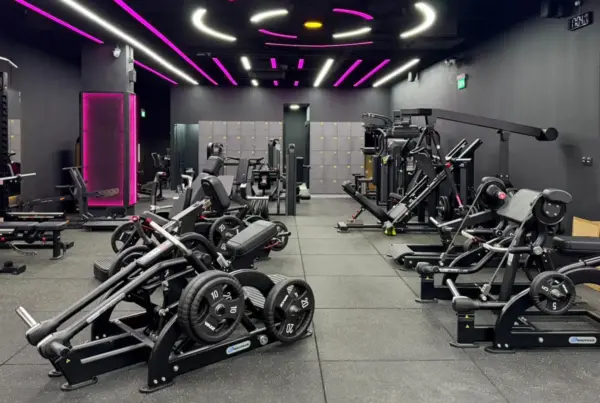
- supported machine-based exercises
- realistic goals
- a routine that fits around family, work, and recovery
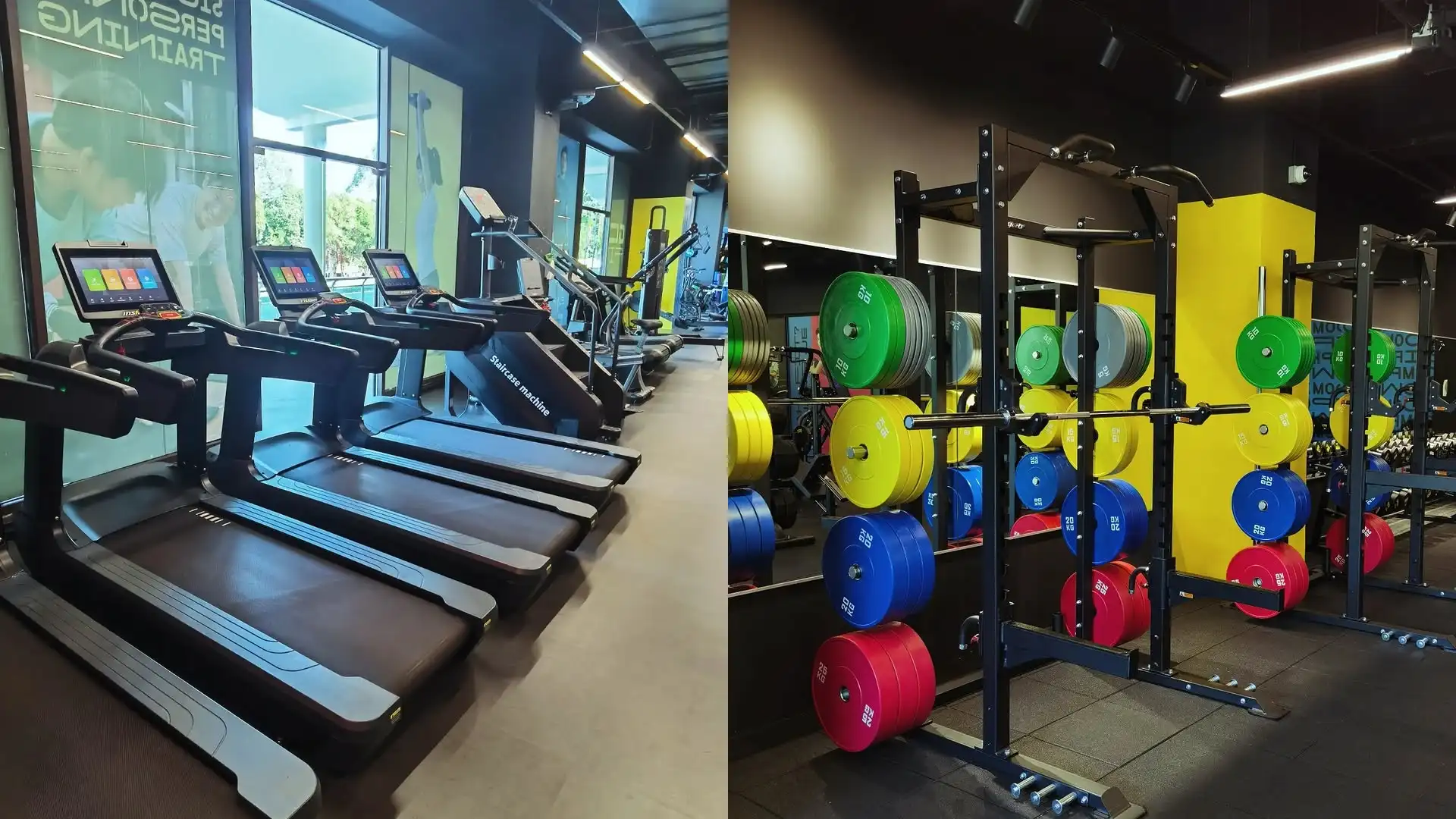
At GoFit Malaysia, the goal is not to make fitness feel complicated.
It is to help you train in a way that fits your life even when your life currently includes broken sleep, unpredictable schedules, and a tiny human with very strong opinions.
A Simple Postpartum Gym Starting Point
Once movement starts feeling more comfortable, some women may prefer a simple gym routine to rebuild confidence.
This is not a strict plan or medical recommendation. Think of it as a gentle example of how a low-pressure session might be structured.
Session One
- 5 to 10 minutes of easy treadmill walking
- bodyweight squat or light leg press
- seated row
- glute bridge
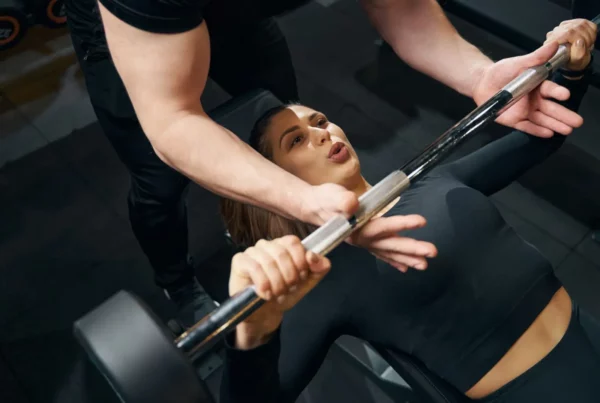
- chest press machine or wall push movement
- gentle cooldown
Keep the effort moderate and focus on movement quality.
Session Two
- 5 to 10 minutes on a bike or treadmill walk
- step ups or supported lower-body movement
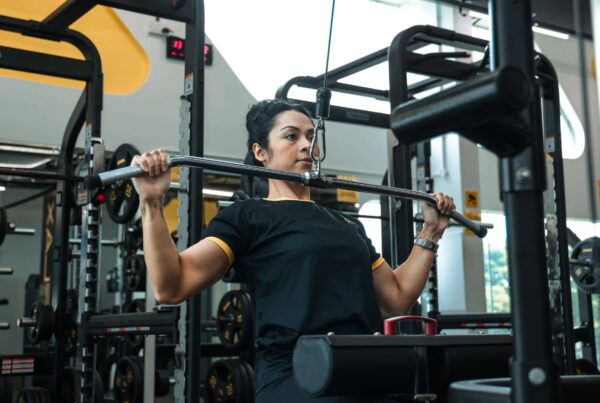
- lat pulldown or assisted pull movement
- light shoulder press
- simple core control work
- gentle cooldown
These workouts do not need to feel intense.
The goal is simply to rebuild confidence, consistency, and routine.
Recovery First. Fitness Second.
Postpartum fitness is not about rushing back into your old routine as quickly as possible.
It is about rebuilding confidence, energy, and movement at a pace that actually fits real life.
Some women feel ready for short walks quite early. Others take longer before the gym feels manageable again. Both are completely normal.
The goal is not perfection.
It is simply finding a rhythm that feels sustainable between feeds, broken sleep, work, recovery, and everything else life suddenly throws into the mix.
At GoFit, we believe fitness should work around your life especially during seasons where life already feels full enough.
Start small.
Move consistently.
Let progress build naturally from there.
FAQs
Can I exercise a few days after giving birth?
If you had a healthy pregnancy and uncomplicated birth, gentle movement like walking may feel comfortable within the first few days. Every recovery is different, so it is best to keep movement light and listen to your body.
When should I wait longer before exercising after pregnancy?
If you had a caesarean birth, complicated delivery, ongoing pain, heaviness, bleeding, or any recovery concerns, it is best to speak with a qualified healthcare professional before increasing exercise intensity.
When can I start running after pregnancy?
Many women return to running gradually later in their recovery journey. It usually helps to build comfort with walking, low-impact cardio, and basic strength work before reintroducing higher-impact exercise.
Is walking enough in the early postpartum stage?
Yes. Walking is one of the most practical ways to restart movement after pregnancy. Short, manageable walks can help rebuild routine and confidence without adding unnecessary pressure.
Can I lose weight while breastfeeding and exercising?
Many women can support gradual weight loss while breastfeeding and exercising, but the focus should stay on sustainable habits, enough nutrition, hydration, recovery, and moderate movement.
What is the best gym workout after pregnancy?
The best gym workout after pregnancy is usually simple, low-impact, and beginner friendly. Many women start with walking, light strength exercises, stationary cycling, and supported machine-based movements.
Important Note
Every postpartum recovery journey is different. Before starting any form of exercise after pregnancy, it is always best to check with your doctor, or qualified healthcare professional. This article is intended as a general fitness and wellbeing guide only and should not be considered medical advice, diagnosis, or treatment.