A Safe Postpartum Fitness and Weight Loss Guide for New Mums After Birth
Becoming a mum changes your routine, your energy, and the way your body feels day to day. That is why postpartum weight loss should never begin with pressure to rush back. It should begin with recovery, confidence, and realistic movement that supports both physical healing and mental wellbeing.
For many women, the first goal after pregnancy is not to chase a dramatic transformation. It is to feel strong again, move comfortably again, and create a routine that fits real life with a newborn. That is a much healthier and more sustainable starting point.
A smart postpartum fitness journey is about rebuilding, not punishing – it’s about making progress you can actually maintain.
Why a realistic postpartum approach works better
There is a lot of pressure online around “getting your body back” but that message often does more harm than good. Your body has already done something incredible. The next phase is not about undoing pregnancy as quickly as possible. It is about supporting recovery while gradually improving strength, energy, and body composition.
A realistic postpartum plan works better because it respects the body’s healing process. It also reduces the chance of doing too much too soon, which can slow progress instead of speeding it up. When new mums focus on consistency, sensible exercise, and steady habits, they are far more likely to stay active and see lasting results.
When can you start exercising after pregnancy?
After a straightforward birth
If you had a healthy pregnancy and a straightforward vaginal birth, gentle movement can often begin as soon as you feel ready. That usually means simple, low pressure activities such as walking, light mobility work, breathing exercises, and easy core reconnection. The key word is gentle. The early phase is about easing back into movement rather than trying to train hard.
After a caesarean birth or a more complex recovery
If you had a caesarean birth, a more difficult delivery, or any ongoing discomfort, it is important to check with your doctor or qualified healthcare professional before returning to exercise. Recovery timelines are not identical for everyone. Some women are ready to build up faster, while others need more time. So it’s important to get your doctor’s green light before getting back to your exercise.
The important thing is not to compare your timeline with someone else’s. A slower start does not mean slower long term progress. In many cases, it leads to a better and more confident return to fitness.
What postpartum weight loss really looks like
Postpartum weight loss is rarely about one intense programme or one perfect meal plan. In real life, it usually looks like regular walking, better sleep where possible, sensible food choices, beginner friendly strength training, and patience.
This is especially important because the postpartum season is often full of disrupted routines. Sleep can be unpredictable. Meal times can be rushed. Motivation can rise and fall.
That is why simple habits matter so much. A short walk still counts. A 20 minute strength session still counts. A week of doing the basics well is often more powerful than one “perfect” workout followed by burnout.
It also helps to define and reframe success more broadly. Progress may show up as better stamina, improved posture, stronger core control, more confidence in the gym, or simply feeling more like yourself again.
Those wins matter.
In many cases, they come before visible fat loss, and they often make sustainable weight loss easier later on.
The best types of postpartum exercise for new mums
Walking
Walking is one of the best ways to restart movement after pregnancy. It is accessible, easy to progress, and far less intimidating than structured workouts. It can begin with ten or fifteen minutes and gradually build from there. For busy mums, it also fits naturally into daily life.
Core and pelvic floor recovery
Postpartum fitness is not just about calories and cardio. Rebuilding the deep core and pelvic floor matters too. These areas play an important role in stability, posture, and overall confidence in movement. Starting with breathing, gentle activation, and controlled basic exercises can create a much better foundation for future training.
This part does not need to feel overly clinical. Think of it as reconnecting with the muscles that support your body during everyday life. A strong foundation makes everything else feel better, whether that is carrying your baby, climbing stairs, or eventually getting back to strength training classes.
Beginner strength training
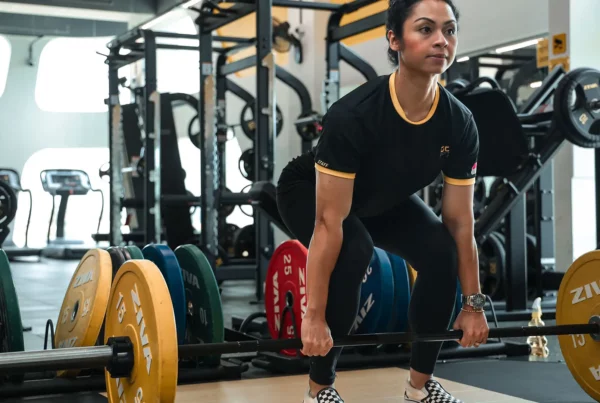
Once you feel ready, light strength work can be one of the most effective tools for postpartum body composition and overall fitness. Movements such as bodyweight squats, glute bridges, step ups, supported rows, and light dumbbell presses can help rebuild strength without excessive strain.
Strength training is also valuable because it supports muscle retention, improves functional movement, and helps new mums feel physically capable again. The goal is not to train at maximum intensity. The goal is to move well, stay consistent, and progress gradually.
Higher impact training later on
Running, jumping, and high intensity classes can come later, but they should not be the starting point for most women. A more gradual build gives your body time to recover and adjust. If higher impact exercise feels uncomfortable, it is a sign to slow down and rebuild your foundation first.
A simple postpartum workout plan for beginners
A practical weekly structure can help new mums return to exercise without feeling overwhelmed.
Example weekly plan
- Day one: 20 to 30 minute walk plus 5 minutes of breathing and gentle core work
- Day two: Rest or an easy walk
- Day three: 20 minute beginner strength session
- Day four: Rest and mobility work
- Day five: 20 to 30 minute walk
- Day six: Repeat beginner strength session
- Day seven: Full rest or light stretching
This kind of structure works because it is realistic. It leaves room for recovery, works around an unpredictable schedule, and gives just enough consistency to build momentum. Over time, you can increase the duration of your walks, add a little more resistance, or extend your strength sessions.
The smartest postpartum routine is not the most extreme. It is the one you can repeat week after week.
Signs to slow down
Postpartum exercise should feel productive, not overwhelming. If you notice pain, persistent discomfort, worsening leakage, unusual heaviness, or symptoms that make exercise feel wrong, it is best to pause and get advice from a doctor or women’s health physiotherapist.
That is not a setback. It is part of training smart. The earlier you address those issues, the easier it is to return with confidence.
Why the gym environment matters after pregnancy
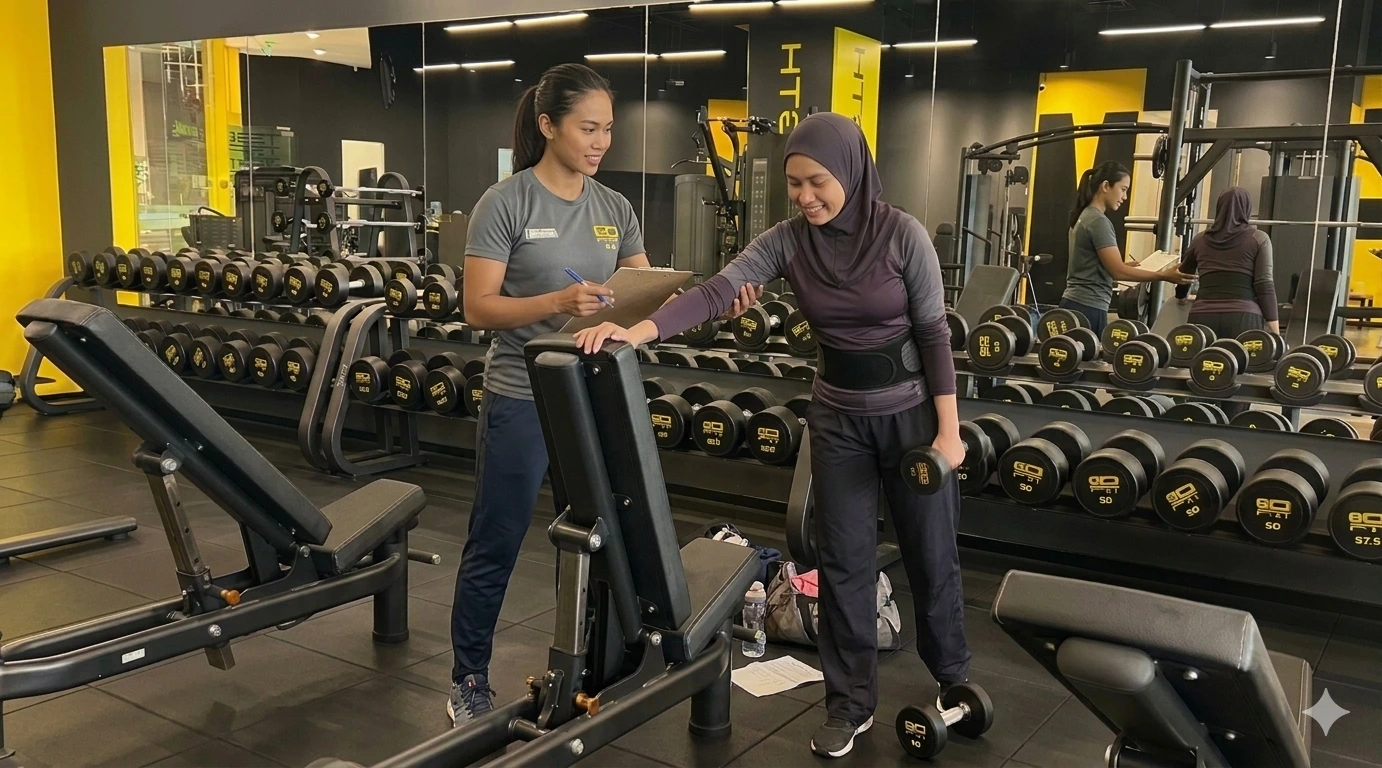
For many new mums, getting back into exercise is not just about having the right workout. It is also about having the right environment. A supportive gym should feel welcoming, practical, and free from unnecessary pressure.
That is why postpartum fitness works best in a space that allows you to move at your own pace, rebuild confidence gradually, and focus on steady progress. New mums do not need unrealistic messaging. They need an approach that feels smart, manageable, and encouraging.
The best postpartum journey is not about doing the most. It is about doing what is right for your body, staying consistent, and building strength in a way that fits your life.
Progress Over Pressure
Postpartum weight loss after pregnancy should be safe, steady, and realistic. Start with healing. Build with simple movement. Progress into strength training when you are ready. Focus on confidence, energy, and long term habits rather than pressure to rush results.
A strong return to fitness is not about snapping back. It is about moving forward with more strength, more awareness, and a routine that works in real life.
FAQs
When can I start exercising after pregnancy?
If you had a straightforward birth, gentle movement can often begin as soon as you feel ready. If you had a caesarean birth or complications, get personalised medical advice before returning to exercise.
What is the best postpartum exercise for weight loss?
Walking is often the best place to start because it is low impact, practical, and easy to progress. Over time, adding beginner strength training can support better body composition and stronger recovery.
Is strength training safe after pregnancy?
For many women, yes. Once recovery is progressing well, gentle strength work can be a very effective way to rebuild muscle, improve function, and support long term fat loss.
Do I need to work on pelvic floor and core recovery?
Yes. These areas are an important part of postpartum fitness and can help with stability, posture, and confidence in movement.
When can I return to running or higher impact training?
That depends on your recovery, symptoms, and overall strength. It is usually better to build a solid base first before returning to higher impact exercise.