
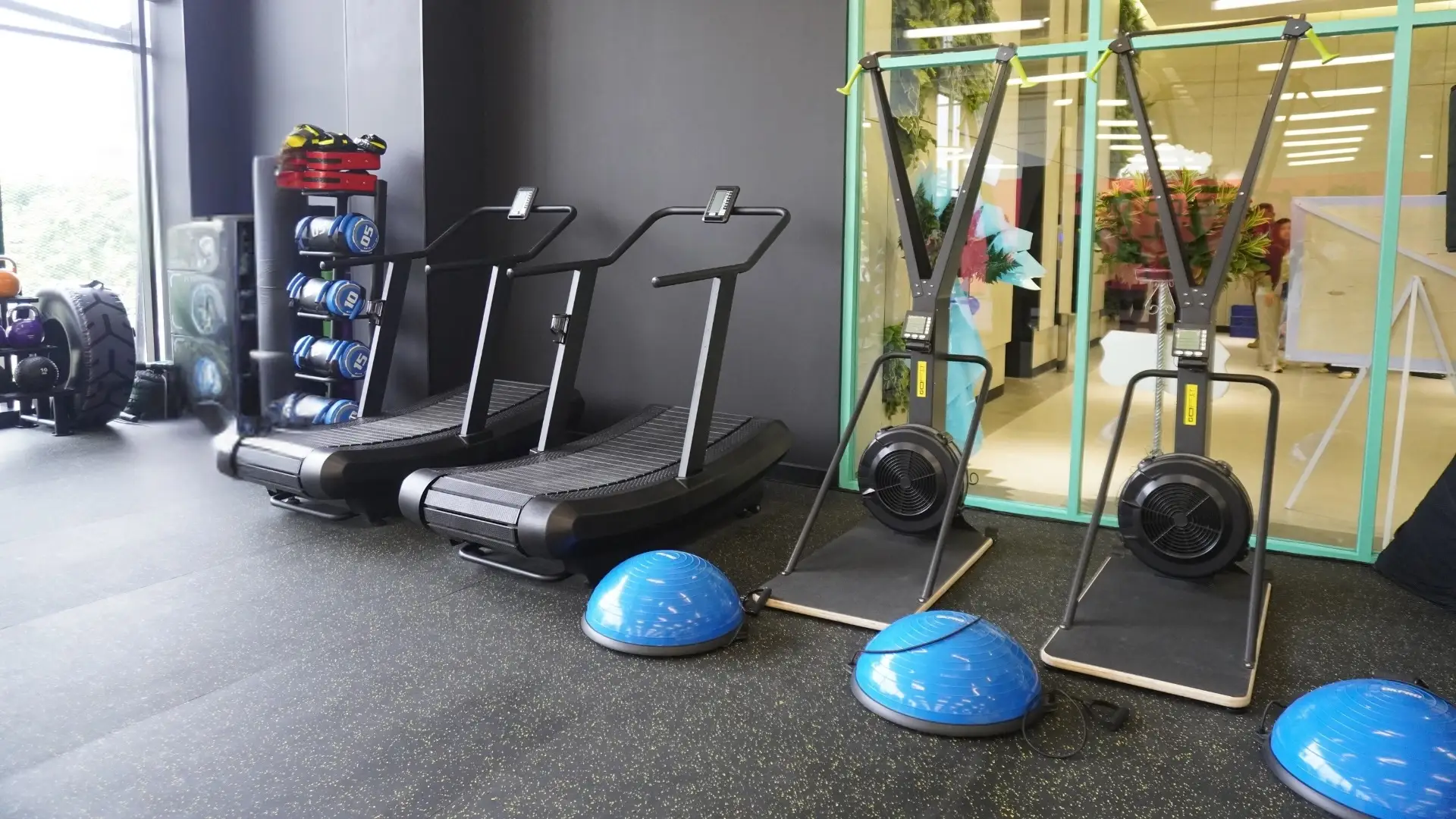
Fitting the gym into a 9-to-6 is less of a scheduling problem and more of an energy, commute, and “that meeting ran over again” problem. The advice to just block it out like an appointment sounds reasonable until your calendar is owned by someone else’s Outlook invites. So this isn’t a productivity lecture. It’s a more honest look at how working professionals in Malaysia, Singapore, and Indonesia actually make it work, and the small adjustments that turn intention into actual sessions.
Why the gym is always the first thing that gets dropped
When the day runs long, the gym goes. Not dinner. Not the hour of scrolling before bed. The gym. There’s a reason for this: exercise has a natural start time but no hard external deadline forcing you to show up. A client call has consequences if you skip it. A gym session doesn’t… at least not immediately.
This isn’t a willpower problem. We like to look at it as a friction problem. The fix is removing the decisions that drain you before you even get there.
What time of day actually works?
There’s no universal answer here. I depends entirely on what your day looks like, not what fitness content tells you is optimal.
Before work suits people with predictable mornings, an early start, and a commute that takes them past a gym. GoFit clubs across Malaysia and Singapore are open 24/7, which means a 6am session is genuinely accessible without setting a 4:30am alarm. The crowd is thin. The machines are free. And you’re done before anything can ambush the plan.
Lunch breaks work if (and this is a real if) your GoFit is within 10 minutes of your office, your lunch break is an actual break, and you’re fine with a quick rinse rather than a 20-minute post-workout shower routine. The key is keeping the session tight: 35 to 40 minutes, built around compound movements that cover your whole body without wasting time on long isolation sequences. The compound vs isolation guide explains exactly how to structure a session that short.
After work is the most common time and the hardest to protect. Late meetings, a spontaneous team dinner, sheer exhaustion, these are the enemies. The one thing that consistently helps: go straight from the office. Going home first is almost always fatal to the plan. You sit down. You eat something. The couch makes its case. Game over.
How long do you actually need?
Less than most people assume. A 40-minute session built around three to four compound movements – squat, press, pull, hinge – covers every major muscle group and delivers real results when repeated consistently. You do not need 90 minutes to make a session count. You need a plan you’ll actually follow.
If you want to know what reps and sets to do in that window, the reps and sets guide gives a simple starting framework that doesn’t require a spreadsheet.
Easy access changes the equation
One thing GoFit is genuinely built for, arguably more than any other gym format in the region, is the unpredictable schedule and easy access. When the meeting that was supposed to end at 5pm runs until 7.30pm, a gym with early closing hours becomes one you simply don’t visit that day. A 24/7 gym or late night gym becomes one you visit at 8pm instead.
That flexibility is the practical difference between “I’ll try again next week” and actually going. The GoFit membership is also designed without the 12-month lock-in that makes people feel trapped paying for a gym they can’t reach consistently.
When the week completely falls apart
Some weeks, three sessions just isn’t happening. A deadline, travel, a sick kid, four back-to-back days that leave you running empty. This isn’t failure — it’s Wednesday in most offices across Southeast Asia.
Two things help here. First: treat two sessions as a decent week. Three is the goal. Two is fine. One is better than none. The moment you stop treating anything less than perfect as a wasted week, it becomes much easier to keep going. Second: keep your gym bag in the car or under your desk. Friction kills follow-through. The fewer decisions between you and the session, the more sessions happen.
The balance guide is worth reading alongside this if you’re figuring out how fitness fits around your whole life, not just work hours.
One thing worth accepting early
You probably won’t train at the same time every week. That’s fine. The fitness industry sells consistency as a fixed routine, but most people in full-time work have variable schedules and that’s not going to change. What actually builds long-term consistency isn’t a rigid timetable — it’s knowing you can squeeze a session in at different times on different days, and having a gym that lets you do that without penalty.
Find a GoFit near your office or near your home.
24/7 access (Singapore only). Flexible memberships. No long contracts. A gym that fits around your schedule, not the other way around.
Malaysia: Plaza Mont Kiara · Sunway Square PJ · i-City Shah Alam · Seremban · Penang | Singapore: City Hall · Toa Payoh · Geylang · Great World · Changi · Choa Chu Kang · Clementi | Indonesia: Alam Sutera · Harapan Indah · Trans Studio Cibubur
Frequently asked questions
How often should a busy professional aim to go to the gym?
Two to three sessions a week is a realistic and effective target. Three sessions produce solid progress; two is enough to maintain and build on gains. One session is better than zero and keeps the habit alive during difficult weeks.
Is a 30 to 40 minute gym session enough to see results?
Yes — if the session is built around compound movements that work multiple muscle groups at once. A 40-minute session covering a squat, a press, a pull, and a hinge is more than enough to drive strength and body composition changes when done consistently.
What’s the best time to go to the gym when you work office hours?
It depends on your schedule, not on what’s theoretically optimal. Before work suits predictable mornings. Lunch works if your gym is close and your break is real. After work is common but requires going directly from the office — going home first almost always ends the plan. 24/7 access removes the time constraint entirely.
How do you stay consistent with the gym when work gets hectic?
Lower the bar for what counts as a good week. Two sessions is fine. Keep your gym bag in the car or at your desk. Choose a gym on your commute route rather than one that requires a separate trip. And stop treating an imperfect week as a failed week! It makes you far more likely to keep going.
Do I need to change my gym membership to get more flexibility?
If your current membership locks you into a fixed plan or a long contract, it’s worth reviewing. GoFit’s membership options are designed for people who can’t predict their week in advance — month-to-month flexibility without the 12-month commitment.