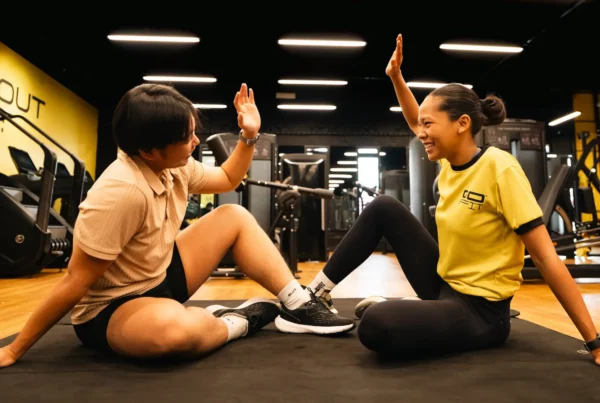
Working out with a friend sounds simple until one of you is stronger, fitter, faster, or more experienced than the other. That is usually the point where people assume partner training will not work. In reality, it can work extremely well when the session is built around shared structure rather than identical performance. You do not need to be at the same level to train together. You just need a plan that lets both people challenge themselves properly.
That matters because social support is not just a nice extra. Having support around your training can make consistency easier. A workout buddy can help with accountability, motivation, and showing up even when life gets busy.
Partner training does not have to mean two people doing everything the same way.
It means two people showing up for the same session with the same purpose.
Table of Contents
- Why training with a friend can work so well
- Different fitness levels? Not a problem
- What to do when one person is fitter
- Best partner workout styles
- Common mistakes to avoid
- Frequently asked questions
Why training with a friend can work so well
One of the biggest reasons people stick to exercise is that it stops feeling like something they have to do alone. A gym buddy can make sessions feel more social, more structured, and harder to skip. If someone is waiting for you, you are less likely to cancel for no reason. If someone is working through the session beside you, it often becomes easier to stay focused and finish what you planned.
That does not mean every friend is automatically the right training partner. The best workout buddy is someone who supports your progress, respects your pace, and helps keep the session productive. If the partnership becomes too competitive, too distracting, or too uneven, it can stop being helpful. The goal is not just to work out together. The goal is to train better together.
Different fitness levels are not the real problem
The biggest mistake people make is assuming that different fitness levels mean different workouts. In most cases, the real issue is not the level gap. It is poor session design. One person should not have to hold back completely, and the other should not feel dragged through a workout they cannot handle.
A much smarter approach is to share the same workout structure while adjusting the difficulty of each exercise. That could mean different weights, different rep ranges, different tempos, different rest periods, or different exercise versions. The session stays aligned, but the challenge stays individual.
How to build a partner workout when one person is fitter
Match the session by effort, not by numbers
This is the most important rule. Do not try to match dumbbell size, running pace, or rep speed. Match the effort level instead. One person might squat with bodyweight while the other uses a barbell. One person might walk briskly on the treadmill while the other jogs. If both are working at an appropriate level for their own ability, the session still works.
Use the same movement pattern, but different versions
A beginner does not need the exact same exercise variation as an experienced gym goer. One partner might do incline push ups while the other does dumbbell bench press. One might do goblet squats while the other does back squats. One might do assisted rows while the other uses heavier cable rows.
That approach keeps the workout feeling shared without making one person feel left behind. It also protects technique, which is especially important for beginners or returning gym goers.
Keep the rest periods organised
One easy way to make partner sessions feel smooth is to alternate sets. While one person works, the other rests. This keeps the workout moving without rushing either partner. It also helps with machine sharing and makes the gym session feel more efficient.
Agree on the goal before you start
Some partner workouts fail because the two people turn up wanting completely different things. One wants a fast calorie-burning circuit. The other wants a slower strength session. One wants to chat. The other wants to focus. Before you begin, agree on the purpose of the workout.
A shared goal keeps the session organised. It also helps both people feel that the workout was worth showing up for.
The best workout styles for friends with different fitness levels
Machine-based strength sessions
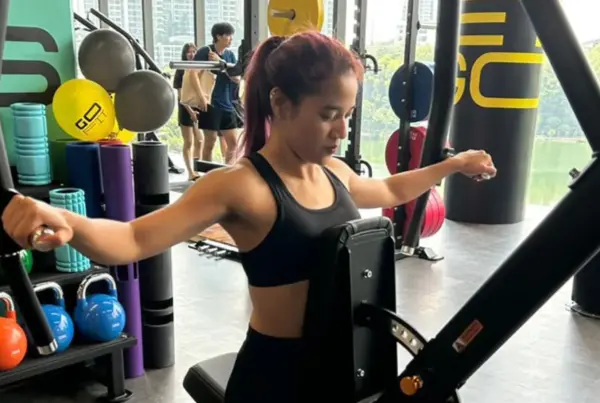
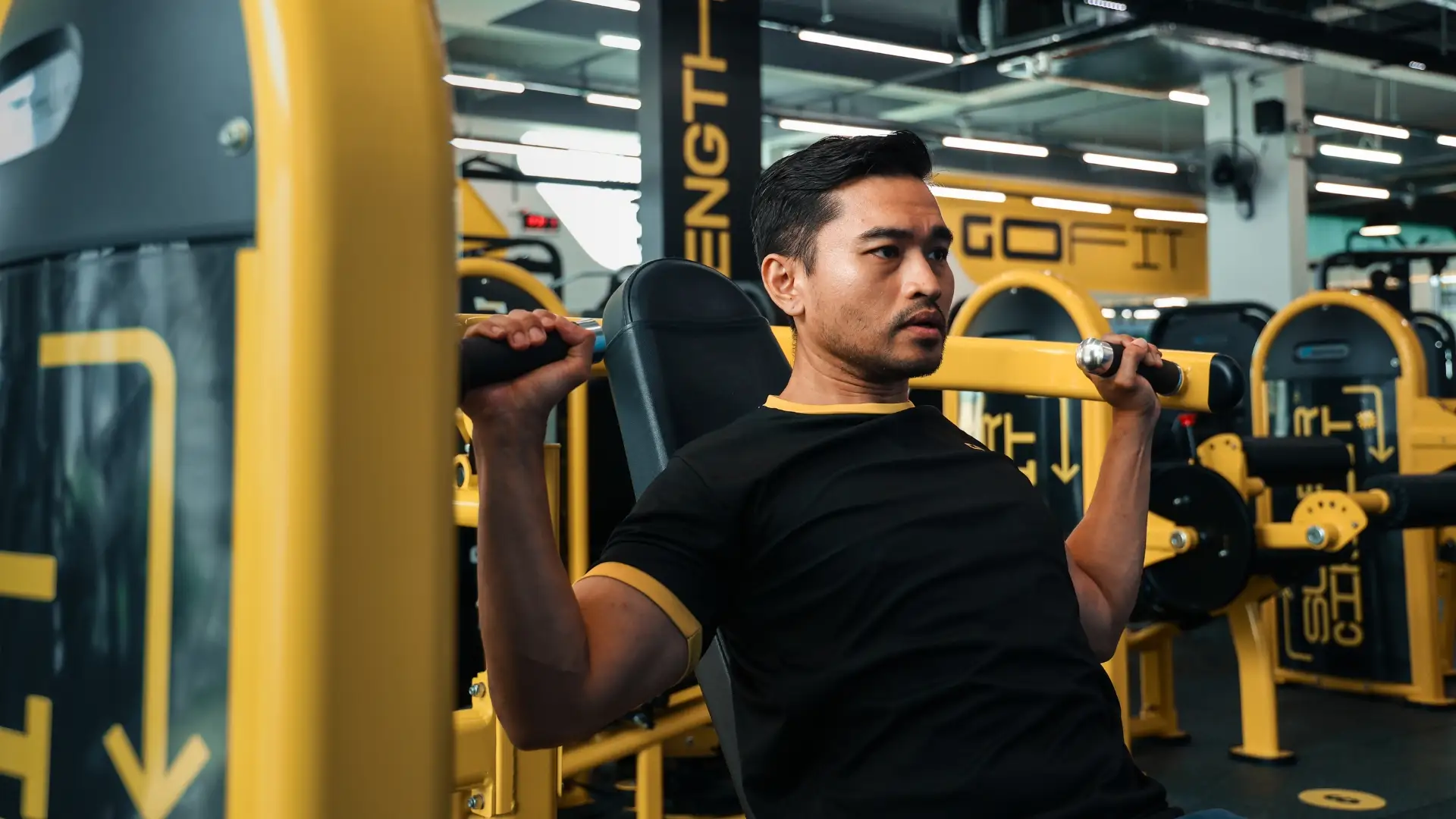
Machines are often one of the easiest places to start because changing the load is quick and simple. Both partners can use the same station while selecting their own weight. That makes it easy to train side by side without needing equal strength.
Timed circuits
Timed intervals work well because they let each person control pace and intensity. For example, both people can work for 40 seconds and rest for 20 seconds, but each person performs the movement at their own level. One might do step ups while the other does jump squats. One might use lighter kettlebells while the other goes heavier.
Cardio pairings
Cardio can still work if you stop trying to match exact speed. Use time instead of distance. Walk or run for the same number of minutes rather than trying to keep the same pace. That keeps the structure shared while letting effort stay appropriate.
PT-guided partner sessions
Sometimes the best way to train together is to get expert help building the plan. A trainer can help structure the session, scale exercises fairly, and coach both partners through a workout that feels balanced and productive.
Common mistakes to avoid when training with a friend
One mistake is turning every session into a competition. A little healthy challenge can be fun, but if one person constantly feels they have to keep up, the session quickly becomes frustrating instead of motivating.
Another mistake is choosing exercises that only suit the more advanced partner. This usually leads to poor form, confusion, or a beginner feeling embarrassed. Good partner training should make both people feel included.
A third mistake is talking so much that the workout loses all structure. Social sessions are great, but the training still needs a rhythm. You should leave feeling like you actually trained, not like you simply wandered around the gym together.
Here’s 5 common beginner mistakes to avoid too.
How we’re helping workout buddies train smarter
This kind of partner training fits GoFit very naturally. The brand already publishes beginner-friendly gym advice, partner workout ideas, and gym buddy motivation content. It also positions the gym as approachable and practical, which matters when one person is newer or less confident than the other.
That means two friends do not need to guess their way through every session. They can start with simpler machines, use shared circuits, follow beginner-friendly guidance, or get extra help from a trainer if needed. The point is not to make both people train the same. The point is to make both people progress in the same session.
So, should you work out with a friend?
Working out with a friend can absolutely work, even if your fitness levels are different. The secret is not finding someone identical to you. It is building a session that gives both people the right level of challenge. Keep the structure shared, adjust the difficulty individually, and stay focused on consistency rather than comparison. When that happens, a gym buddy does more than make the workout feel easier. They make it easier to keep going.
FAQs
Can two friends work out together if one is much fitter?
Yes. The workout just needs to be scaled properly so both people follow the same structure with different levels of difficulty.
What is the best way to train with a friend at a different level?
Use the same workout format, but adjust weights, exercise versions, pace, or reps so each person is challenged appropriately.
Are partner workouts good for beginners?
Yes. Partner workouts can help beginners feel more supported and more consistent, especially when the session is simple and well structured.
Should workout buddies do exactly the same exercises?
Not always. It is often better to use the same movement pattern or workout format while changing the exercise variation to suit each person.
Can a personal trainer help two friends train together?
Yes. A trainer can help structure the session, scale exercises fairly, and make sure both people are progressing safely.