If you’ve spent months trying to put on weight and the scale barely moves, you’re not doing anything wrong by feeling frustrated. Gaining weight the healthy way takes a calorie surplus, resistance training, and time, not five protein shakes a day or hours spent guessing in the gym.
This guide gives you a simple, beginner-friendly weight gain workout plan, what to eat to support it, and how to know it’s actually working.
Why Lifting Weights Matters More Than Just Eating More
Eating more calories is half the equation. Without resistance training, most of that extra weight ends up as fat rather than muscle, which isn’t the goal for most people trying to “bulk up” or fill out their frame. Strength training tells your body where to put those extra calories: into muscle tissue rather than just storage.
It also comes with benefits that have nothing to do with the scale. Resistance training improves bone density, supports better blood sugar regulation, and boosts your resting metabolism, meaning you burn more energy even on rest days.
How Many Calories You Actually Need
There’s no single magic number, since everyone’s maintenance calories differ based on body size, activity level, and metabolism. As a starting point though, most beginners do well adding 300 to 500 calories above their normal daily intake. That’s enough to support steady muscle growth without piling on unnecessary fat.
A simple way to check if it’s working: aim for roughly 0.25 to 0.5 kg of weight gain per week. Faster than that, and you’re likely gaining more fat than muscle. Slower, and you probably need to eat a bit more.
A Beginner Weight Gain Workout: 3 Days a Week
You don’t need to be in the gym every day to gain weight. Three structured sessions a week, with rest days in between, is enough for most beginners to see real progress.
Day 1
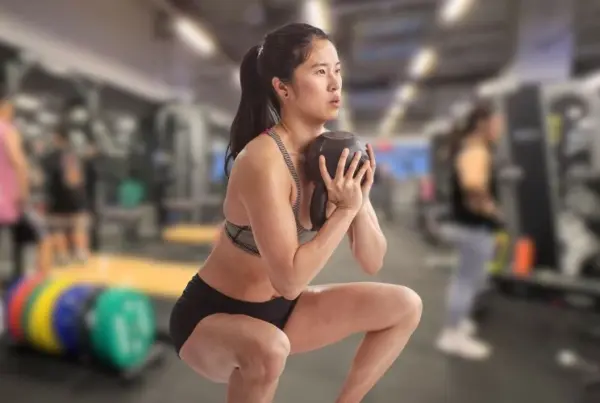
- Barbell or goblet squats — targets quads, glutes, and core
- Bench press or push-ups — targets chest, triceps, shoulders
- Dumbbell rows — targets back and biceps
Day 2
- Deadlifts (or Romanian deadlifts for beginners) — targets back, glutes, hamstrings
- Assisted or resistance-band pull-ups — targets lats, biceps, shoulders
- Overhead press — targets shoulders and upper chest
Day 3
Repeat Day 1, or swap in a variation (incline bench instead of flat, sumo deadlift instead of conventional) to keep things interesting once you’re more comfortable with the basics.
For each exercise, aim for 3 sets of 8 to 12 reps, resting 60 to 90 seconds between sets. If you’re unsure how reps and sets actually work, our reps vs sets guide breaks it down simply.
If You’re New to Lifting
Start lighter than you think you need to. Technique matters more than weight in your first few weeks, both for results and for avoiding injury. If a squat rack or barbell feels intimidating, our gym equipment guide walks through what everything is and how to use it.
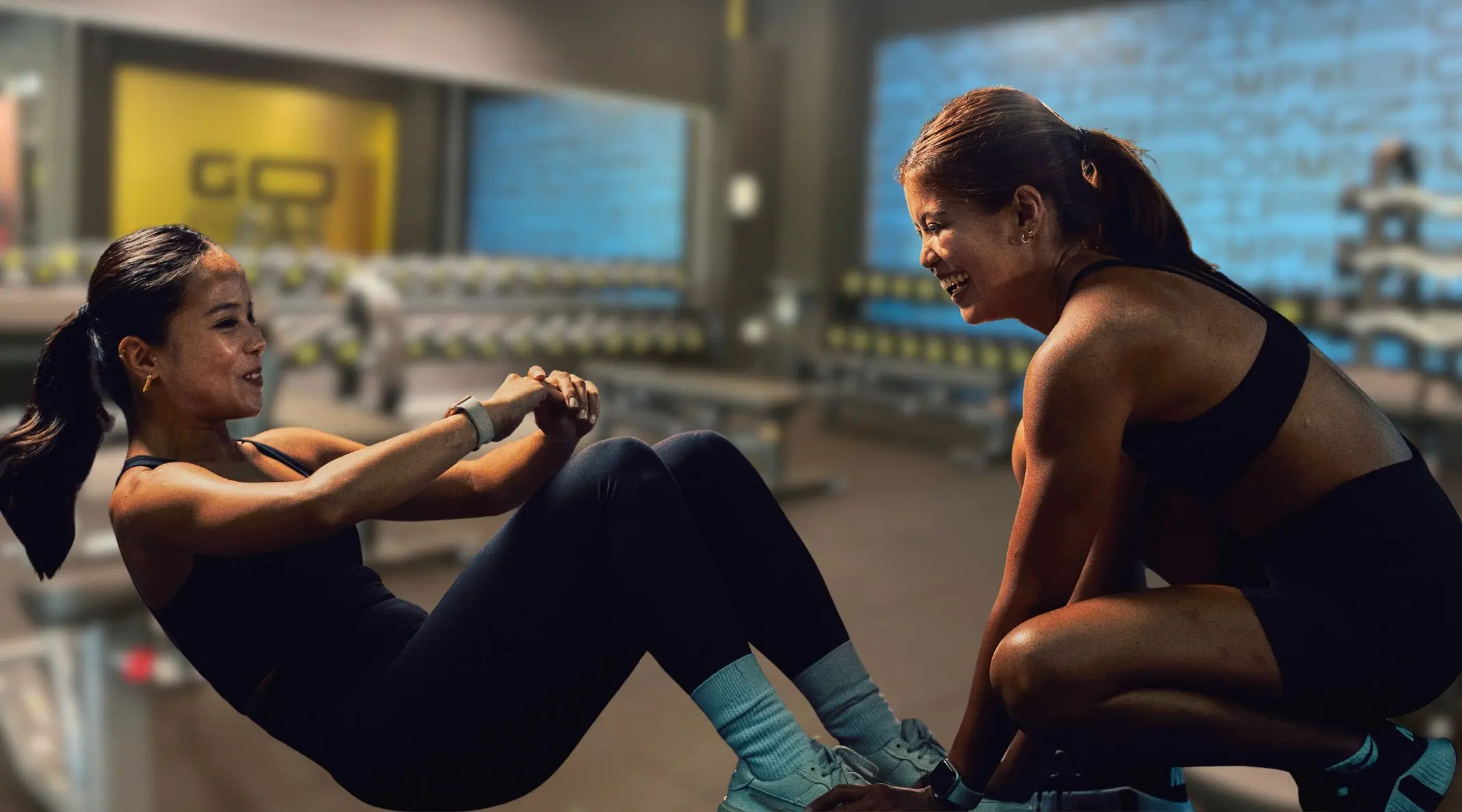
If you’d rather have someone build a plan around your specific body and goals, GoFit’s personal trainers can put together a custom programme and check your form from session one. You can read more about personal training at GoFit here.
What to Eat Around Your Workouts
Training creates the stimulus for muscle growth, but food is what actually builds it. Focus your surplus calories on protein-rich foods (chicken, eggs, fish, tofu, legumes), whole carbs (rice, oats, wholegrain bread) for energy, and healthy fats (avocado, nuts, olive oil) to round out your intake.
Check out our guide to pre-workout meals for halal-friendly options that fit around training, and our post-workout meal guide for what to eat afterward to support recovery.
Tracking Progress Beyond the Scale
The number on the scale only tells you part of the story. Take progress photos every few weeks, track how much weight you’re lifting on your main exercises, and notice how your clothes fit. The GoFit app makes it easy to log your workouts and see your strength climb over time.
A Quick Note If You’re a Woman Trying to Gain Weight
Most generic “bulking” advice online is written with men in mind, which can make the whole process feel less relevant if you’re a woman trying to gain weight or build muscle. The training principles are the same, but the calorie targets, common starting concerns, and pacing often look a little different. We’ve written a dedicated guide: Weight Gain Workout for Women: A Beginner’s Guide to Building Strength.
Frequently Asked Questions
How many calories do I need to eat to gain weight?
Most beginners need to eat around 300 to 500 calories above their daily maintenance level to gain weight steadily without adding excess fat. This usually works out to gaining about 0.25 to 0.5 kg per week, which is a healthy, sustainable pace.
How long does it take to see weight gain results?
Most beginners notice visible changes in strength within 2 to 3 weeks, and visible changes in size after 6 to 8 weeks of consistent training and eating. Weight gain itself is usually noticeable on the scale within 3 to 4 weeks if you’re eating in a steady surplus.
Do I need protein shakes to gain weight?
No. Protein shakes are convenient but not required. Whole foods like eggs, chicken, rice, oats, and nuts can fully cover your calorie and protein needs. A shake is just a faster way to add calories if you’re struggling to eat enough through meals alone.
What’s the difference between gaining muscle and just gaining weight?
Gaining weight just means the number on the scale goes up, whether that’s muscle, fat, or both. Gaining muscle specifically requires resistance training combined with a calorie surplus. Without training, most of the extra weight will be stored as fat rather than muscle.
Ready to Start?
You’ve got the plan. The next step is just showing up. Find your nearest GoFit gym and get started, or speak to one of our trainers about building a programme around your goals.